You're like a leaf that doesn't know it is part of a tree
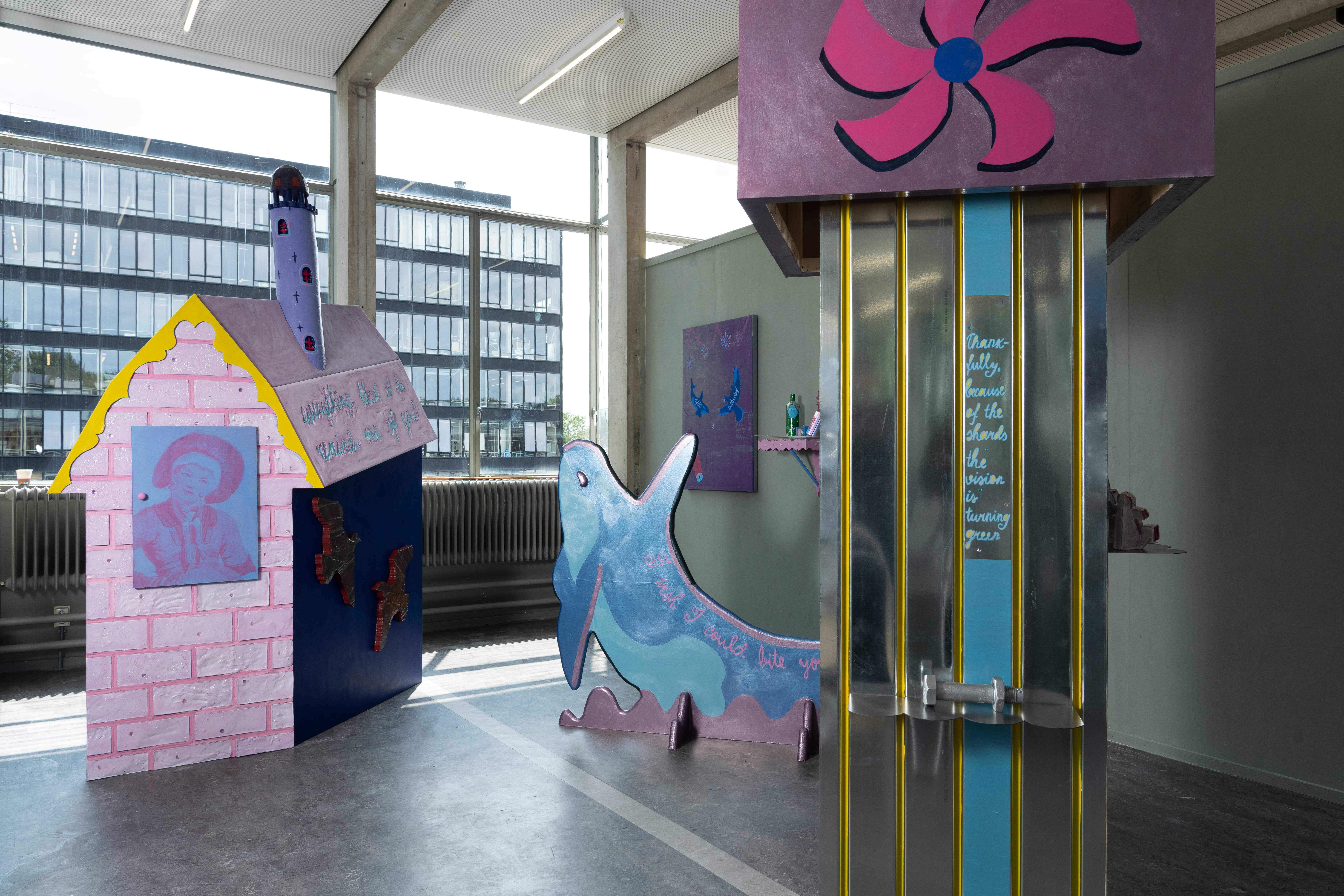
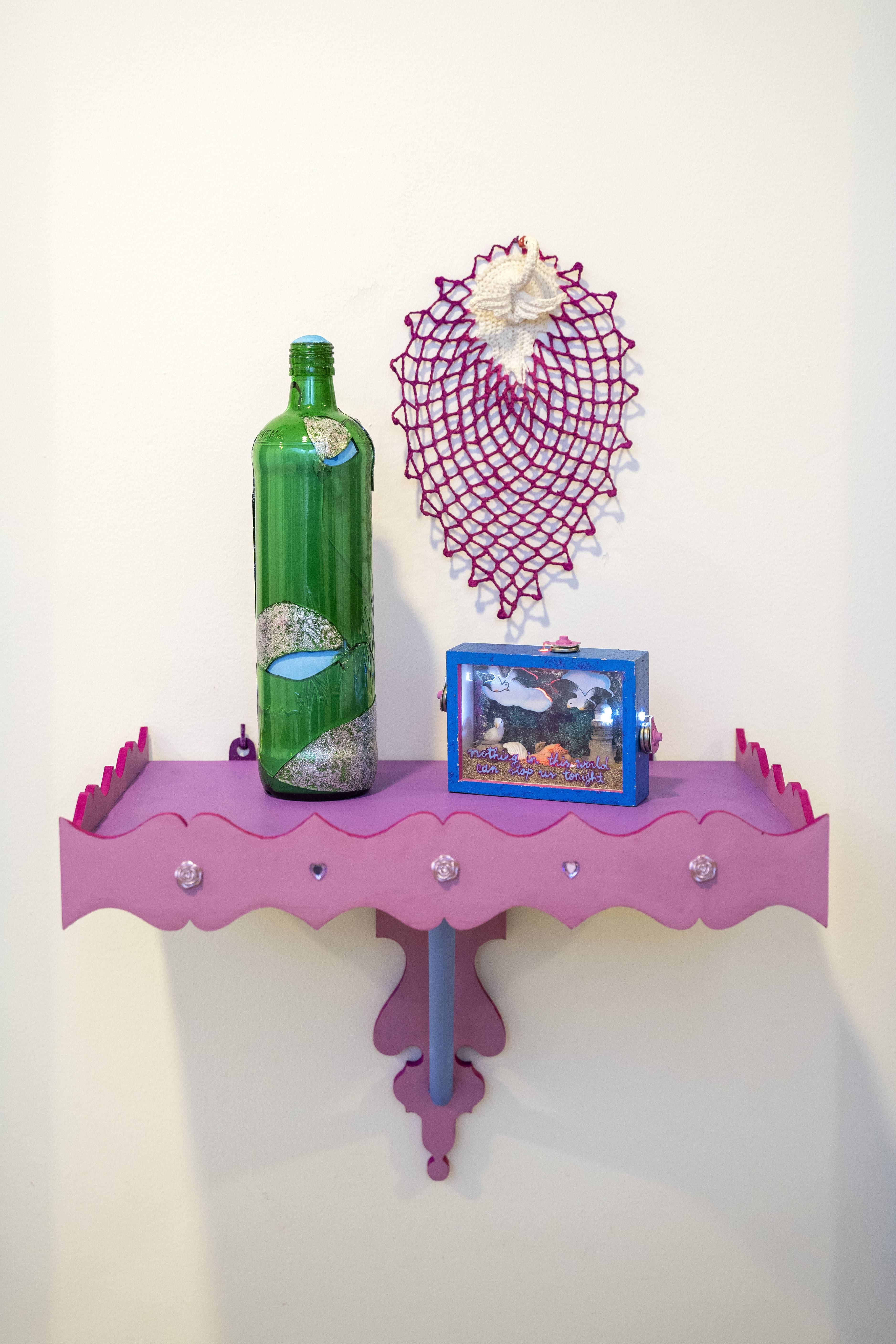
What defines or tells a story about a place? Is it green shards or embroidery of a swan? Maybe both? Every space is full of material evidence that whispers something to you; each of them is important because together they create a space!
Come with me to Urk - a fishing village in the Netherlands that is known for its history of drastic change; it used to be an island up until the 1940s when it became attached to a polder–reclaimed land from the sea. This was carried out under the name Zuiderzee Works, the largest hydraulic-engineering project in the 20th century.
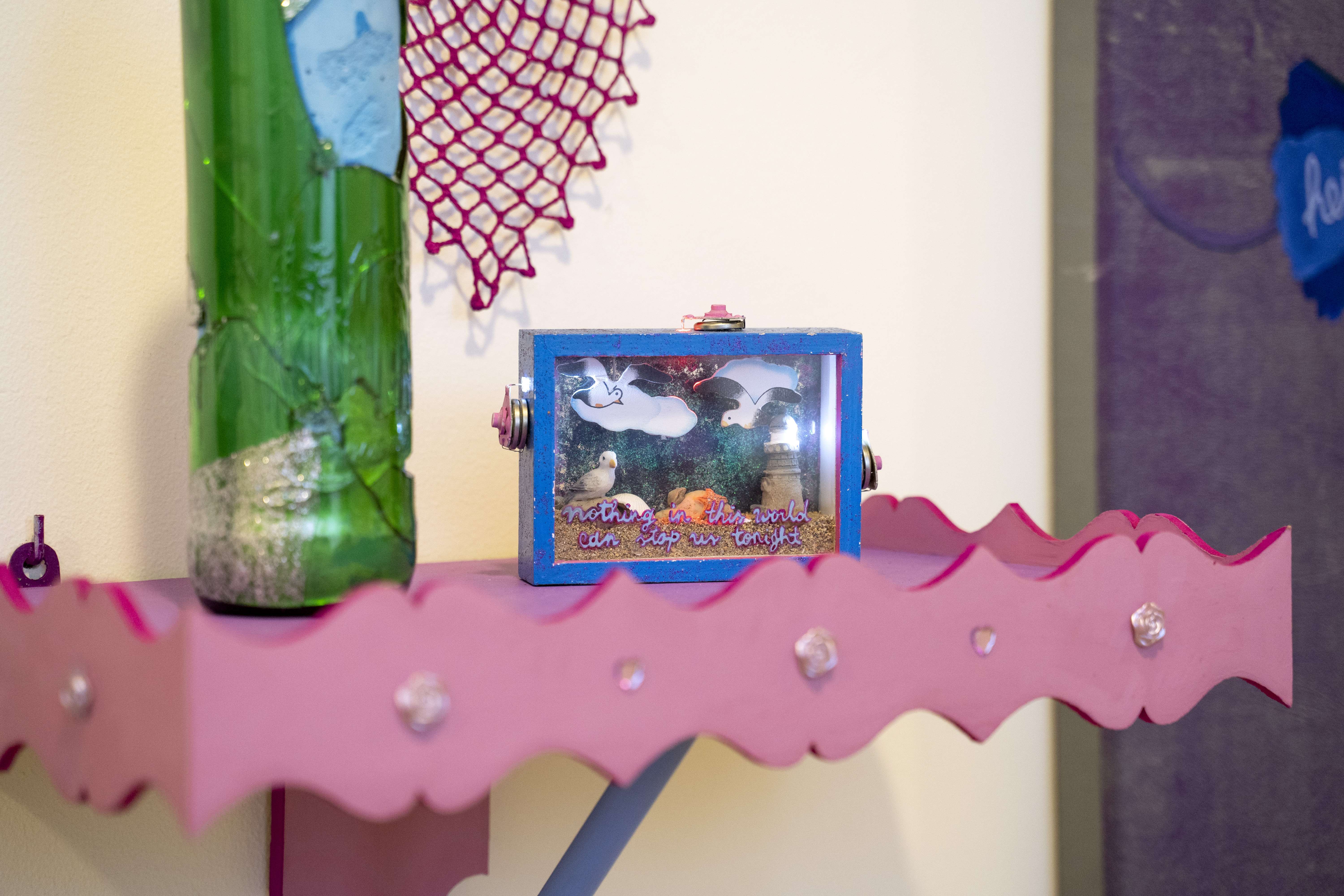
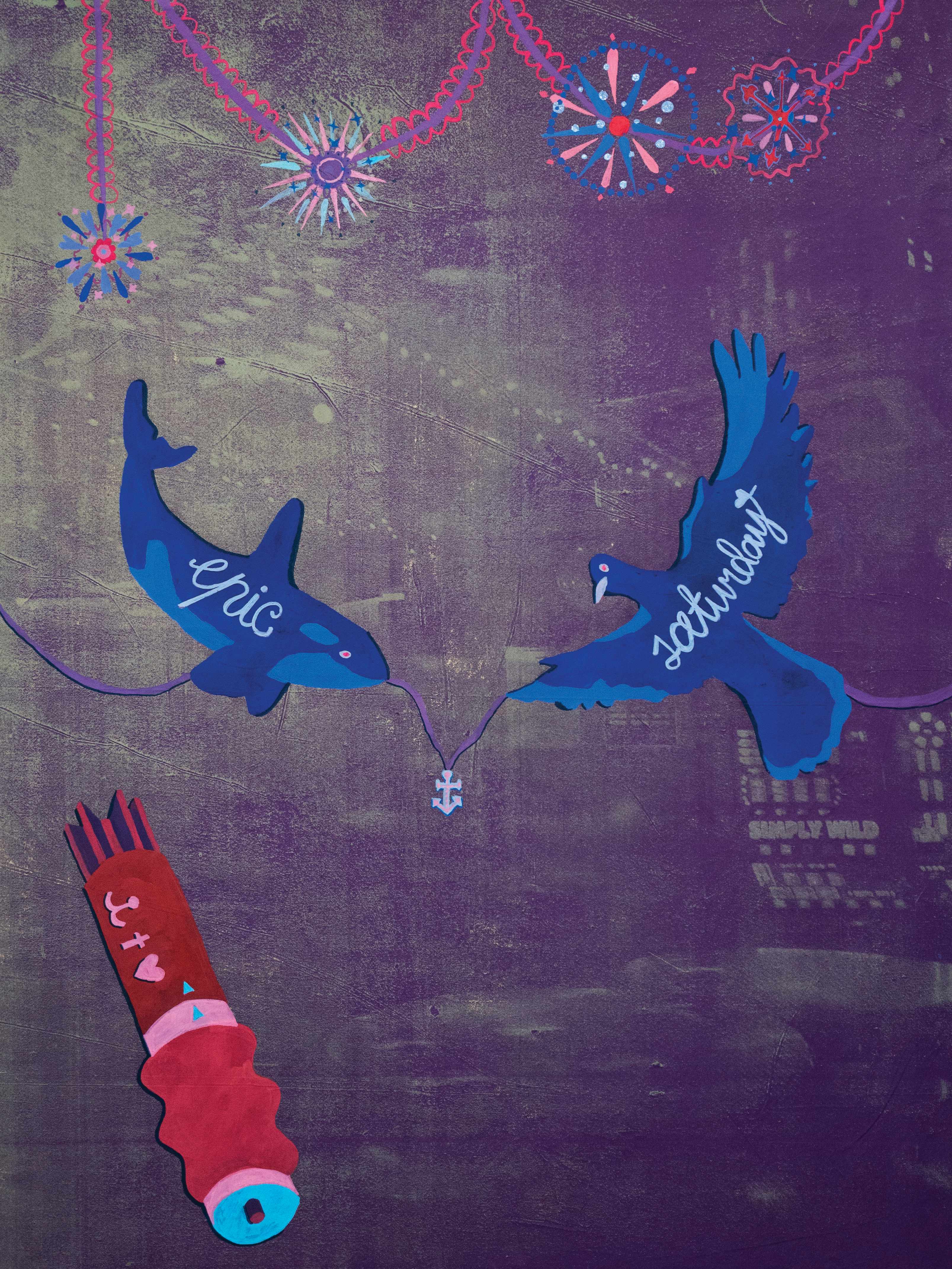
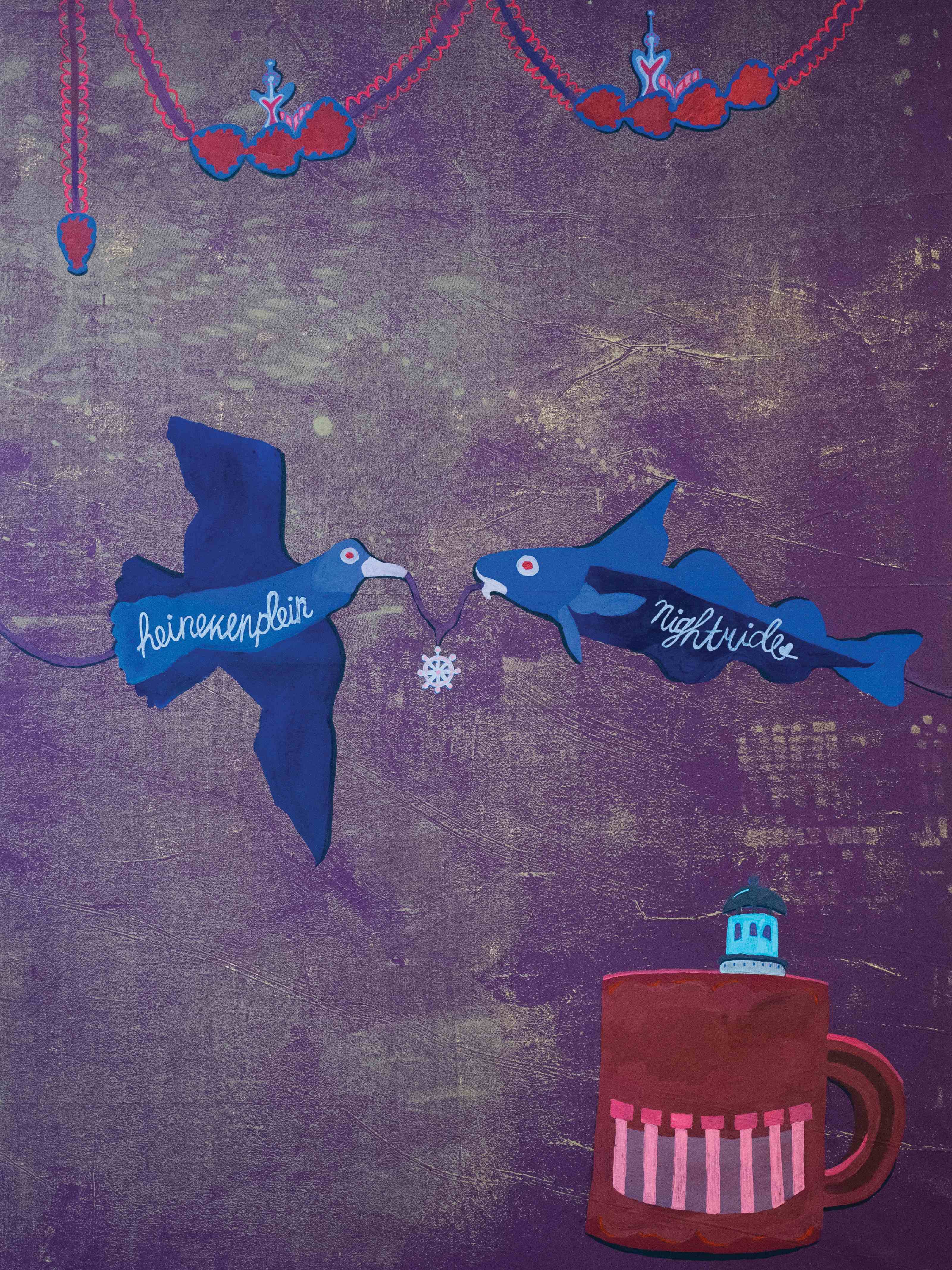
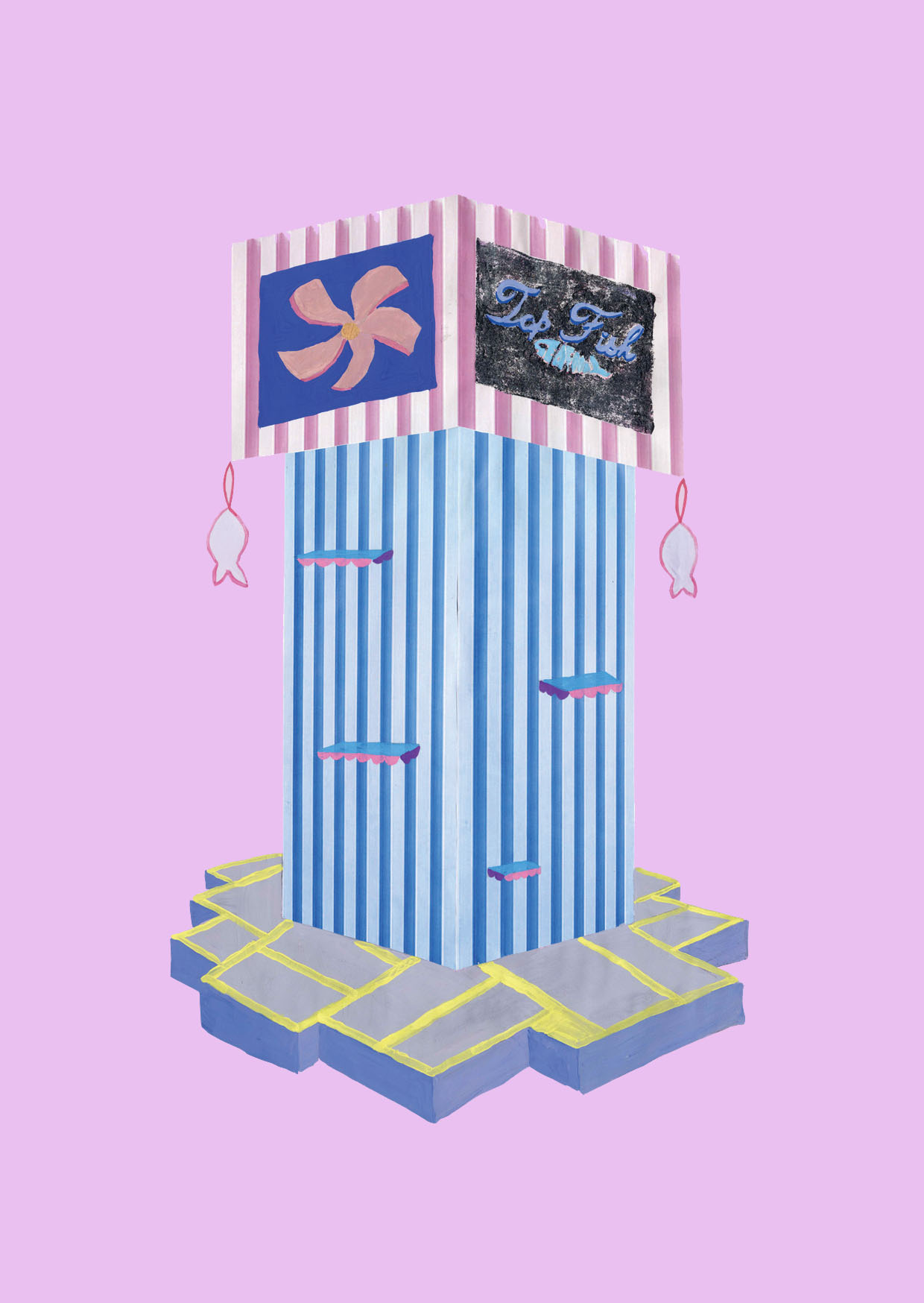
The installation consists of four elements, each revealing or showcasing a different aspect of Urk – such as the significance of the orca, the meaning behind the abundance of decorations in gardens and windows, the industrial fishing area, and the dark-blue bars.
Together, these elements explore the contemporary atmosphere of Urk and its relationship with its own history. The project is a culmination of a long year of fieldwork in Urk, including the conversations with locals.
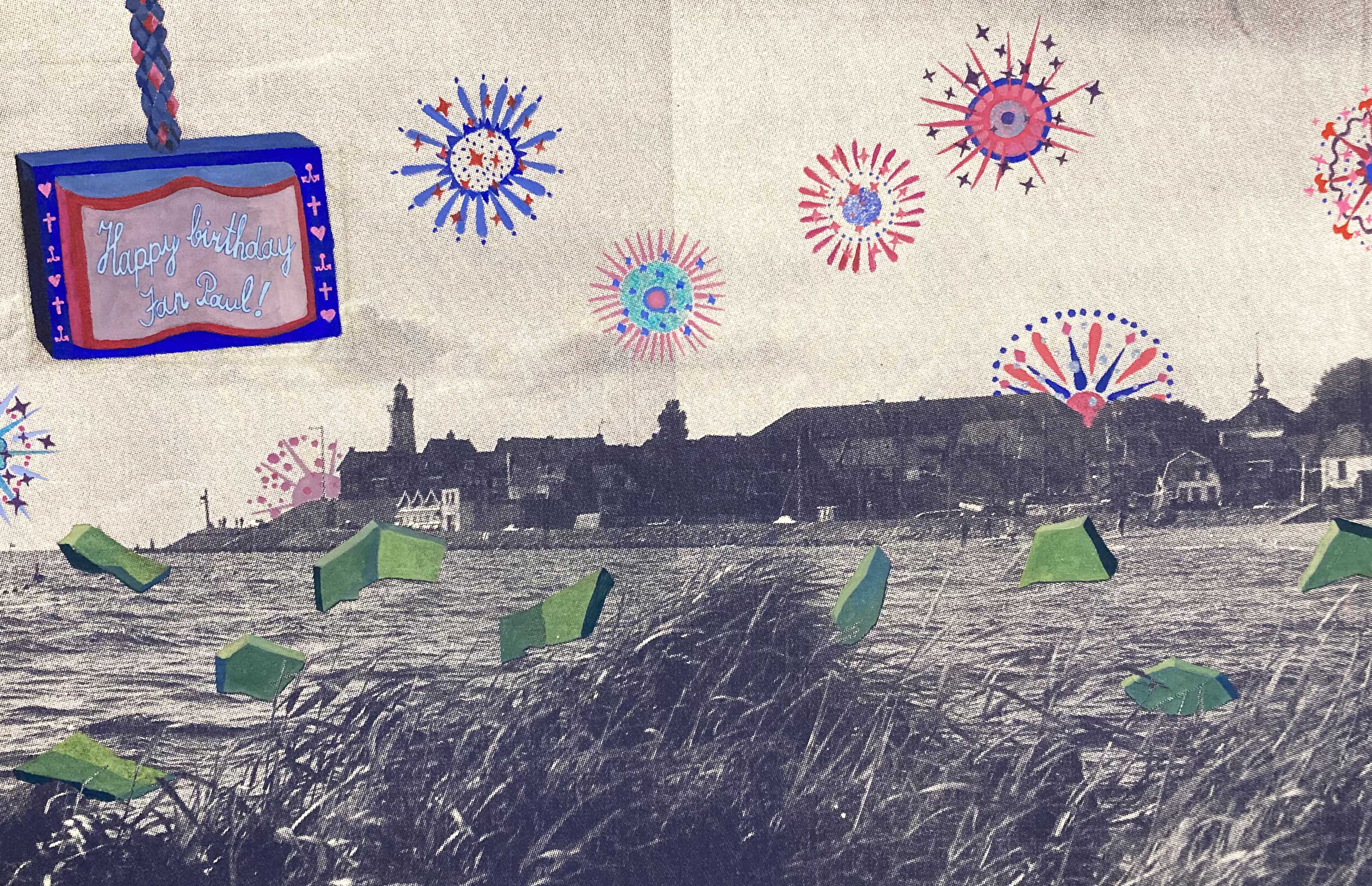
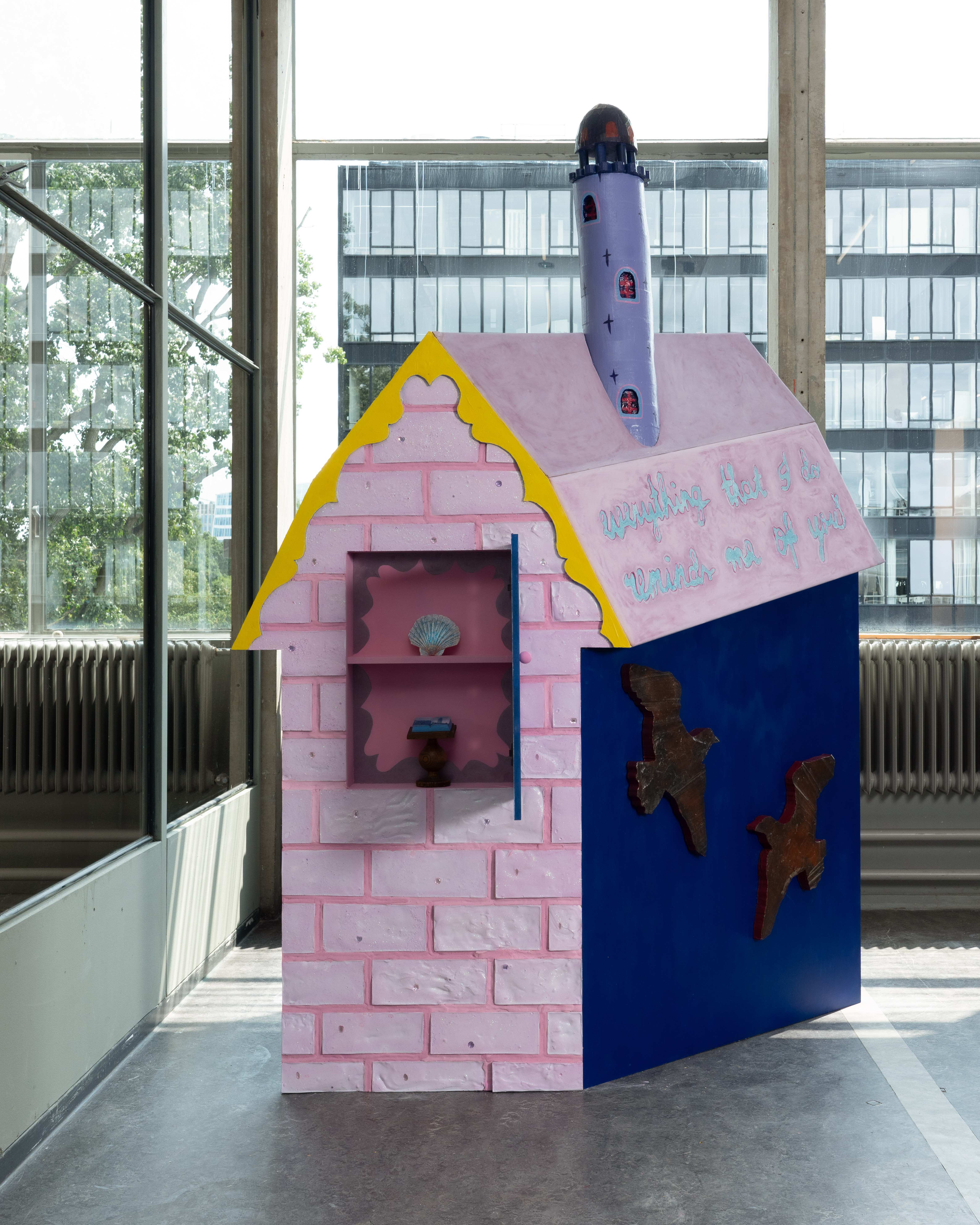
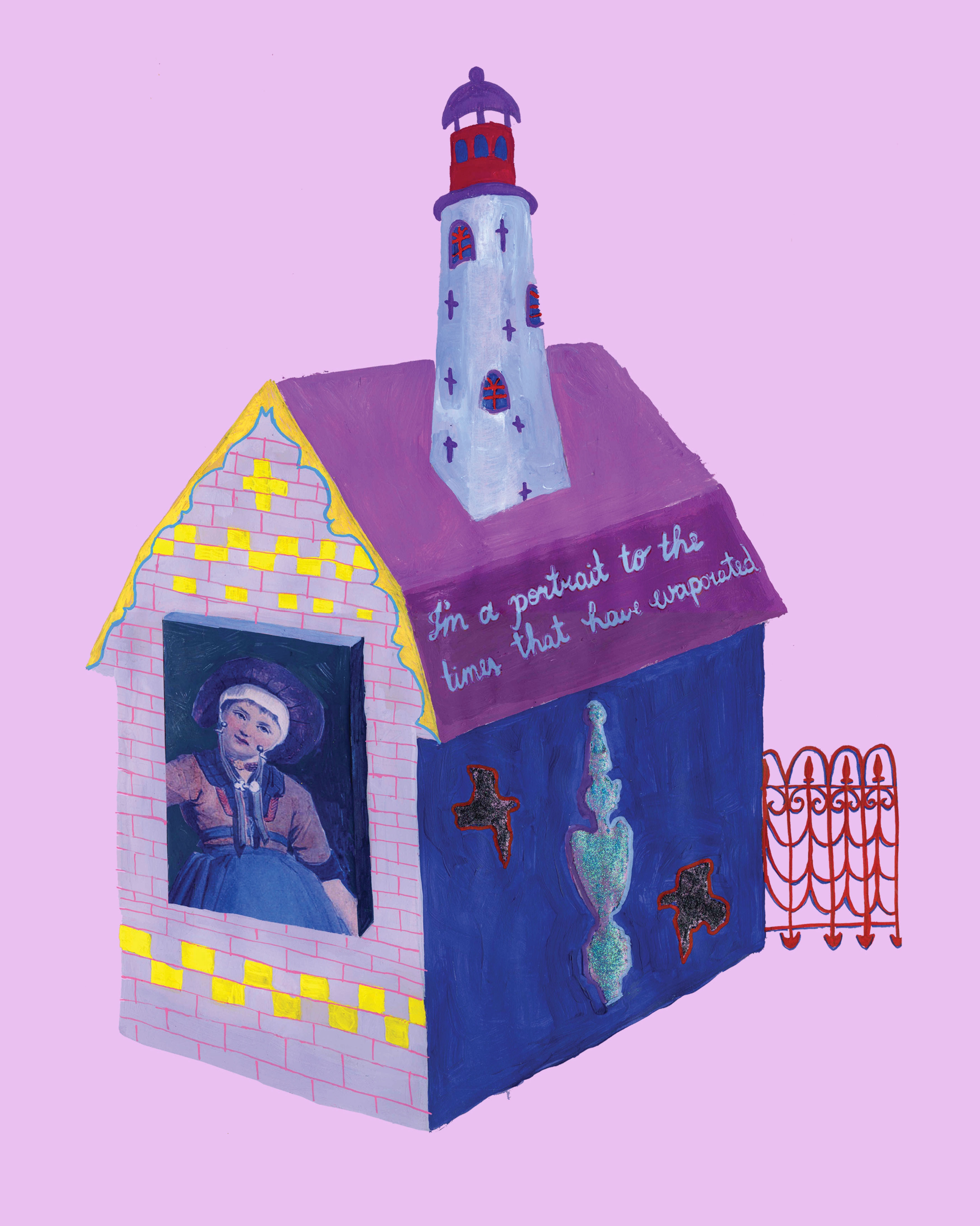
Everything I do reminds me of you: homage to the times that have evaporated
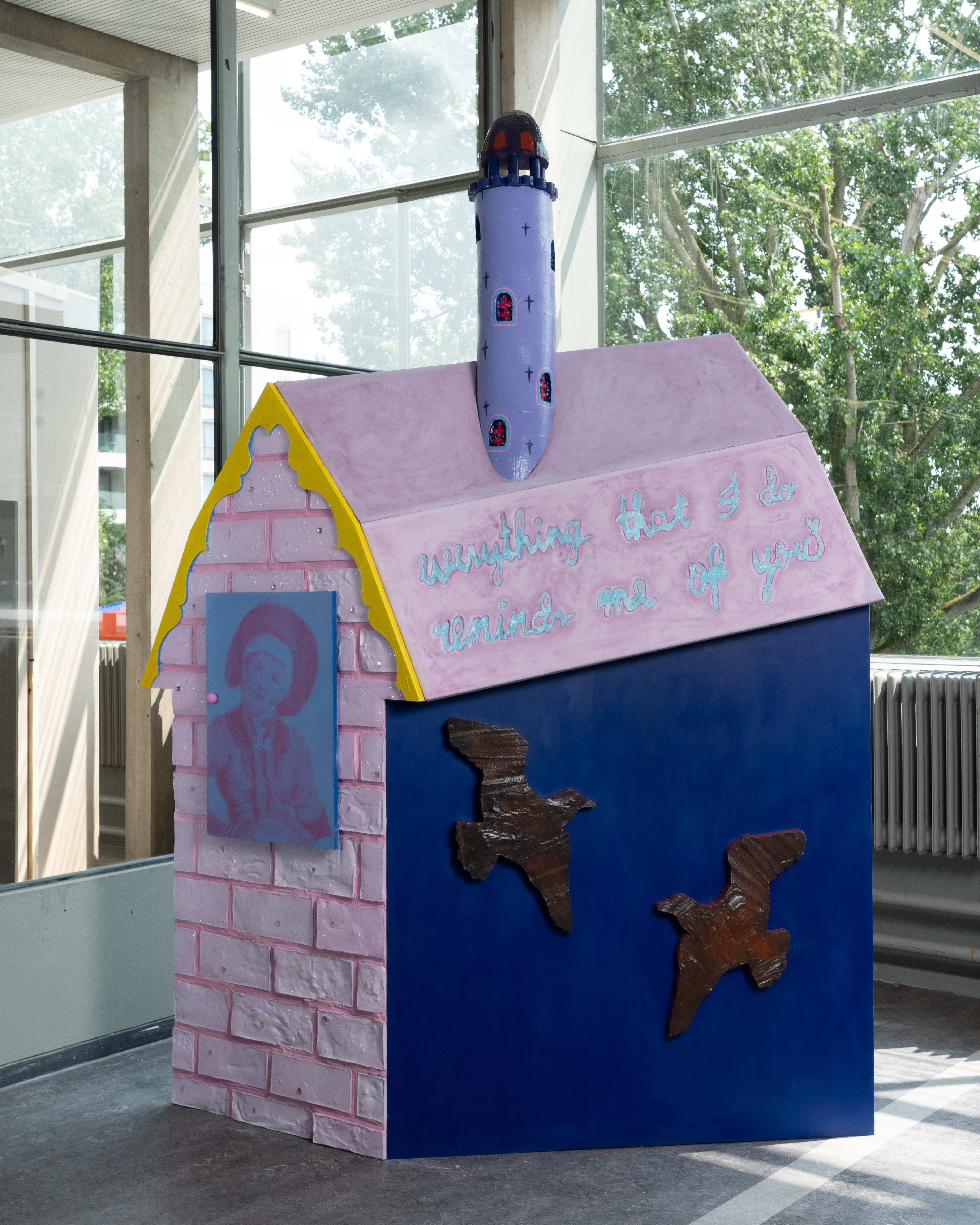
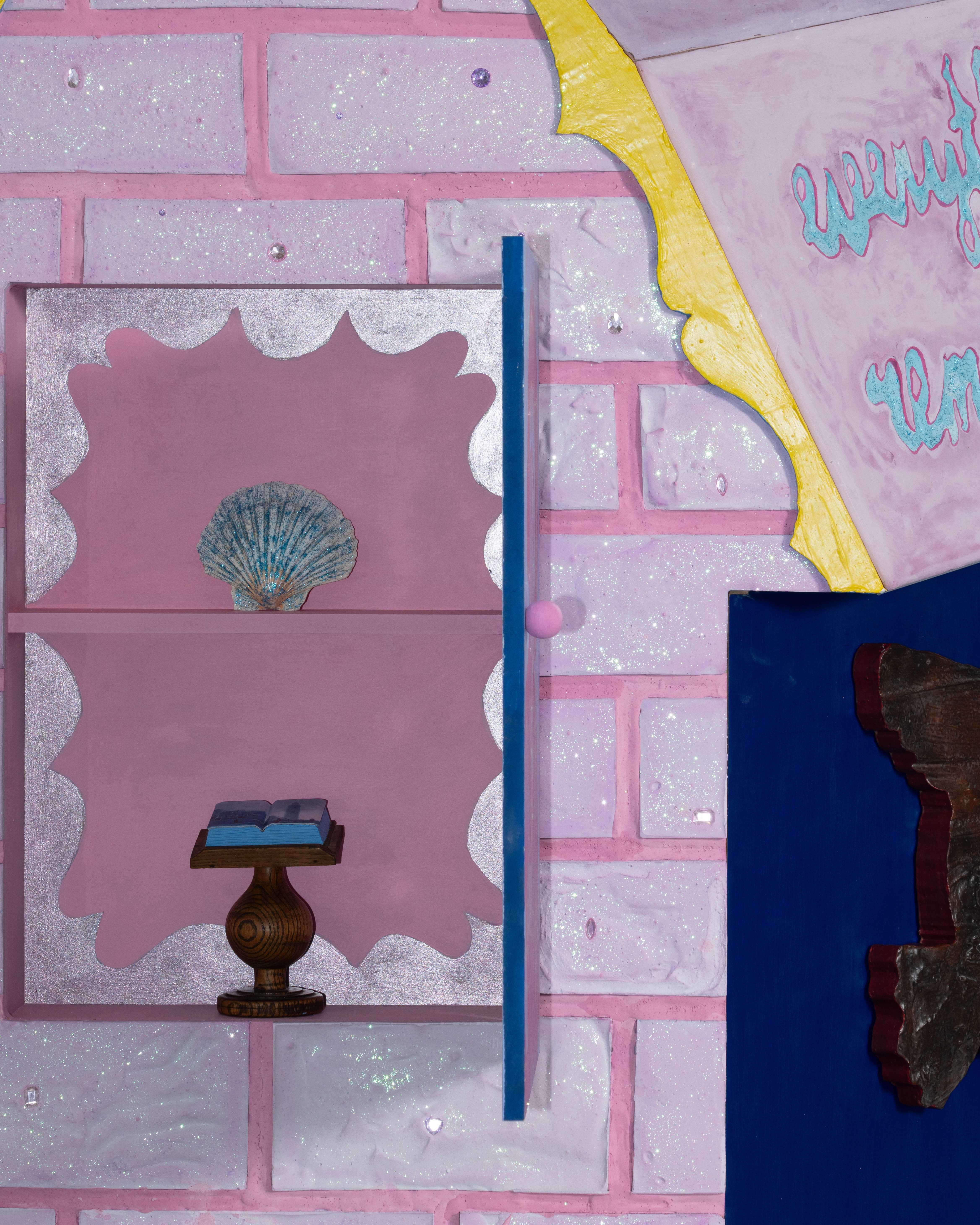
In the historic centre of Urk, where tiny fishermen’s houses form a maze, you’ll find various decorations that will tell you about times when Urk was an island. The objects are like a consequence of a breakup; similar to how parents hung their children’s portraits on the wall, they are portraits of the lost identity and the times that have evaporated.
Is that mourning or a protest against the change?
The house is a juxtaposition of decorations and traditional references.
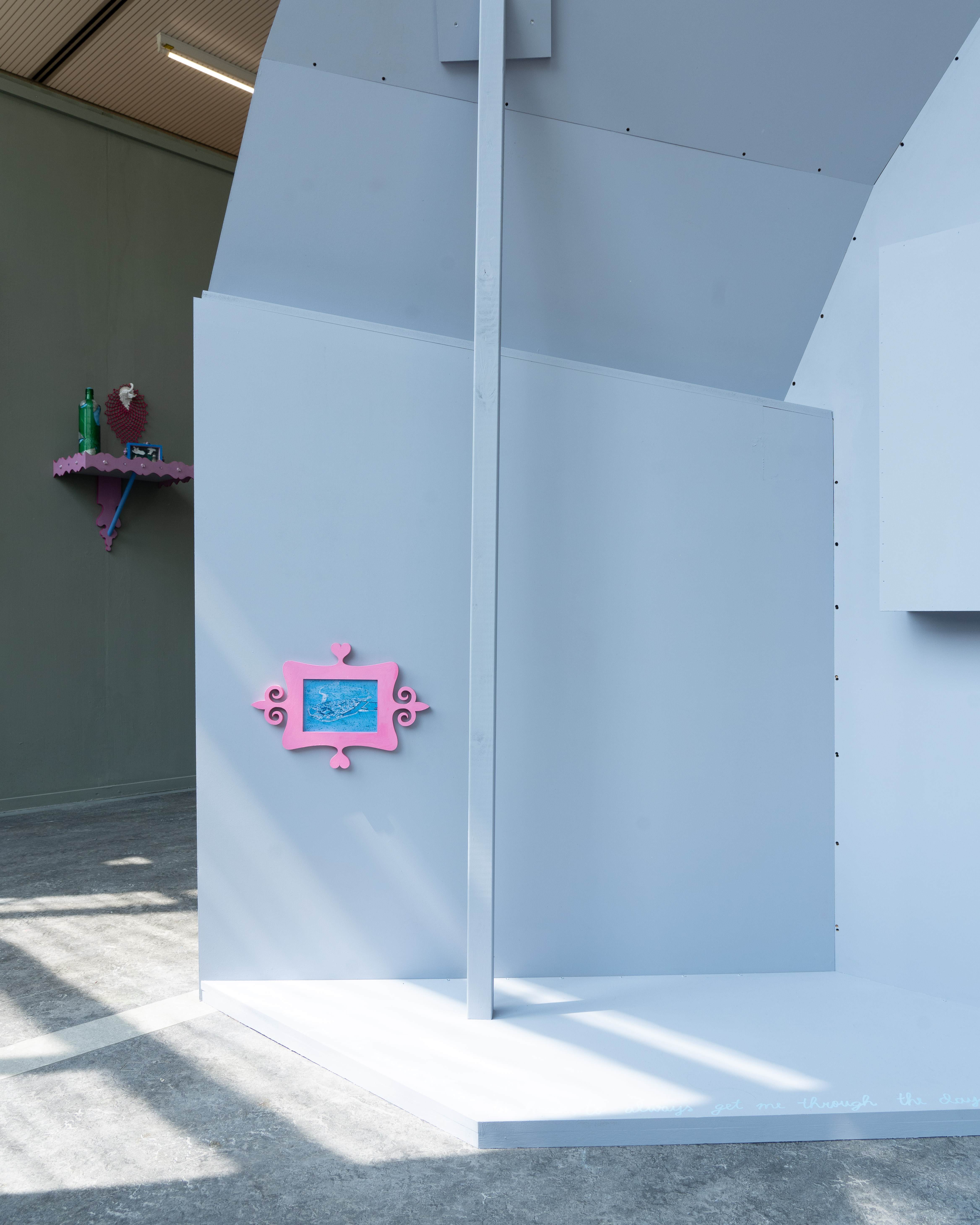
A place where tumbleweeds are spinning around: homage to the plastic neighbourhood
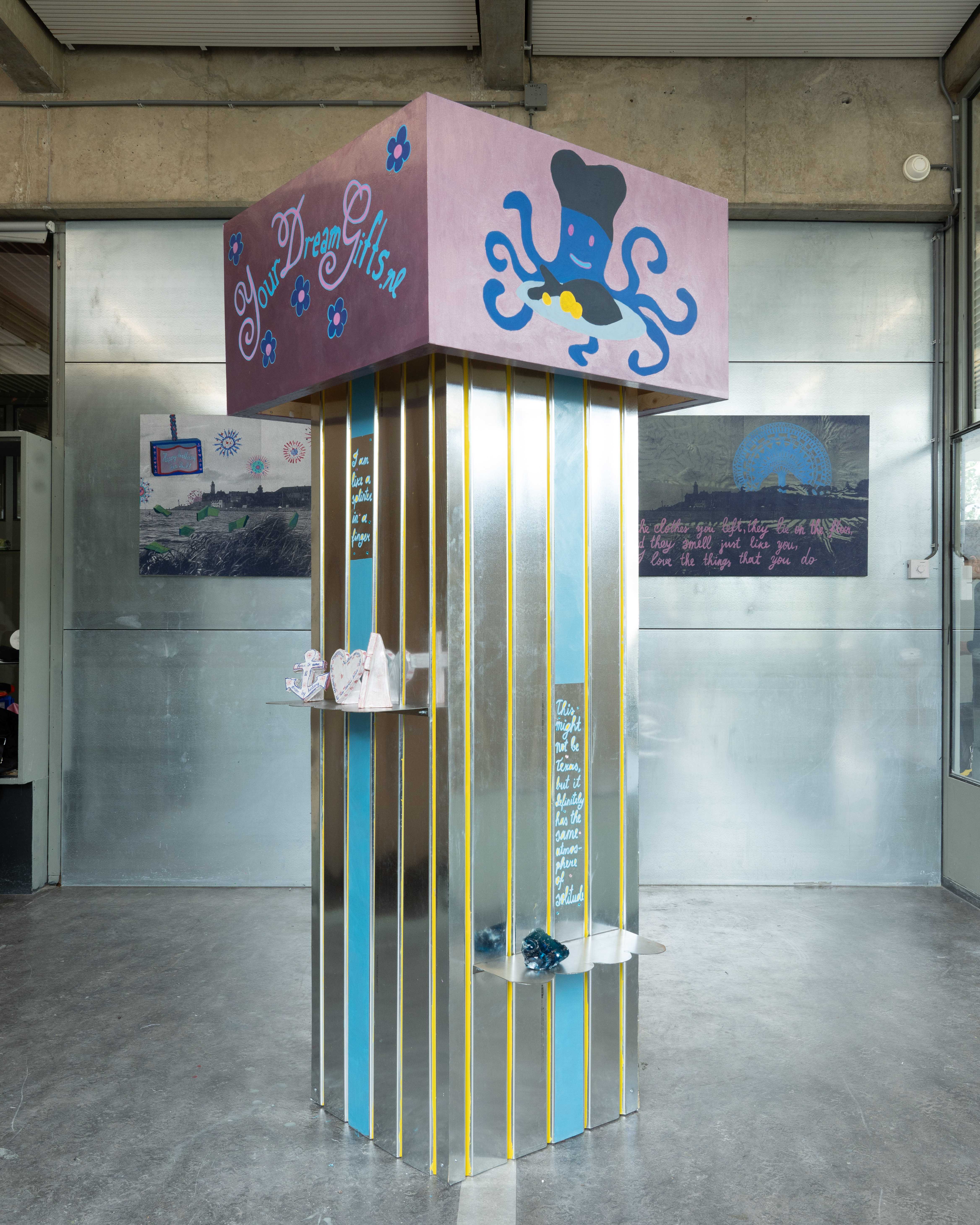
When Urk joined the mainland, Urkers were expected to interact with it (namely, switch to farming). But stubbornly, they exchanged their wooden boats for iron trawlers and sailed out into the North Sea. Additionally, they needed to acclimatise to the fact that the sea faced a breakup too – when the Afsluitdijk was built, the inner sea, now known as IJsselmeer, changed from saltwater to freshwater. Today, the village purportedly has the largest fishing fleet in the Netherlands.
It all manifests in the plastic cubicle neighbourhood, which is about the same size as the village itself. It’s filled with plastic walls and the only decorations here are logos. Now the area is part of a global industrial chain, getting fish from far destinations like Argentina. In the grey, cold storage labyrinths fishes are cleaned, filleted and packaged as quickly as possible. Some of them are “double-deckered” in a crispy breading layer destined to become a dinner for someone in Britain.
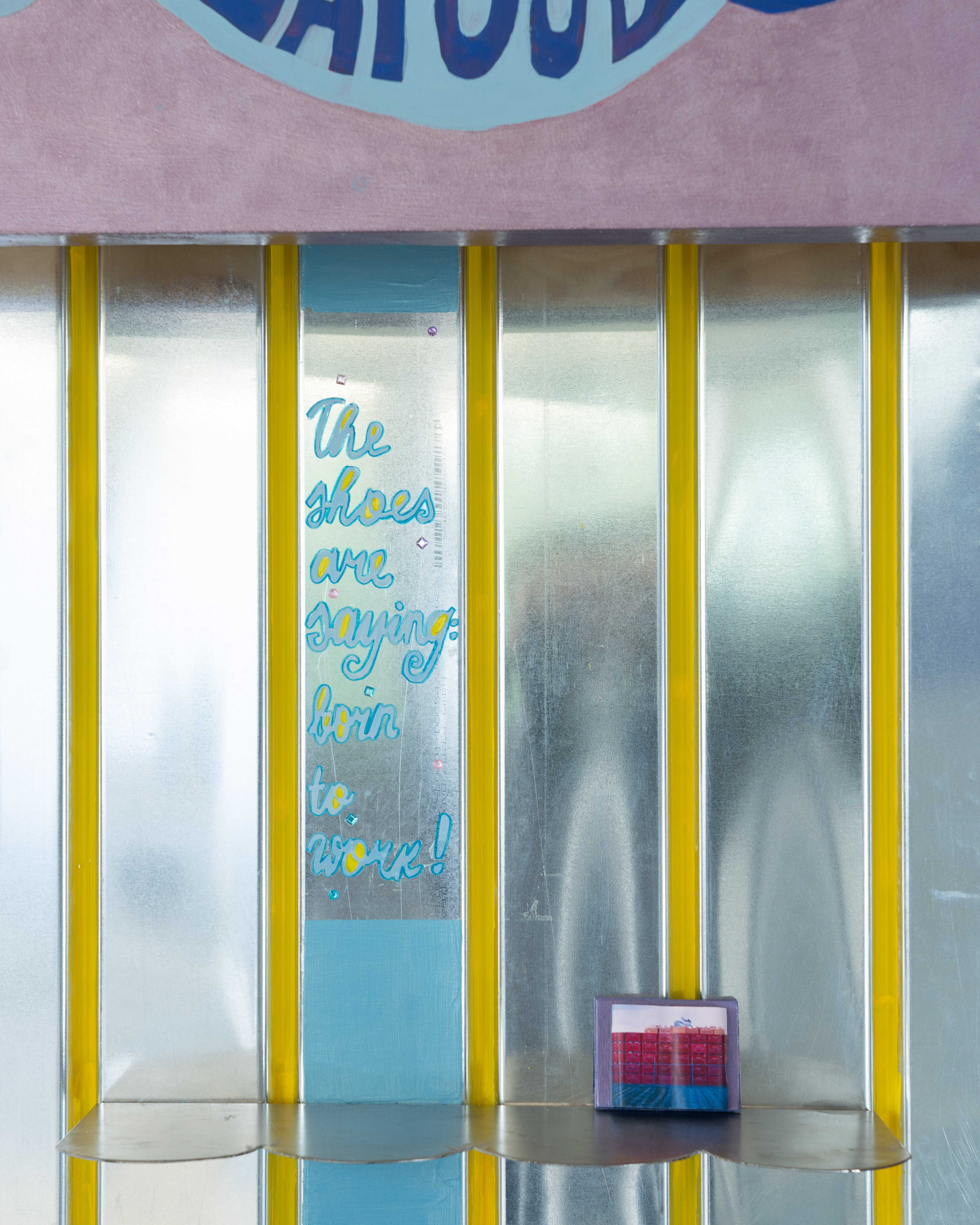
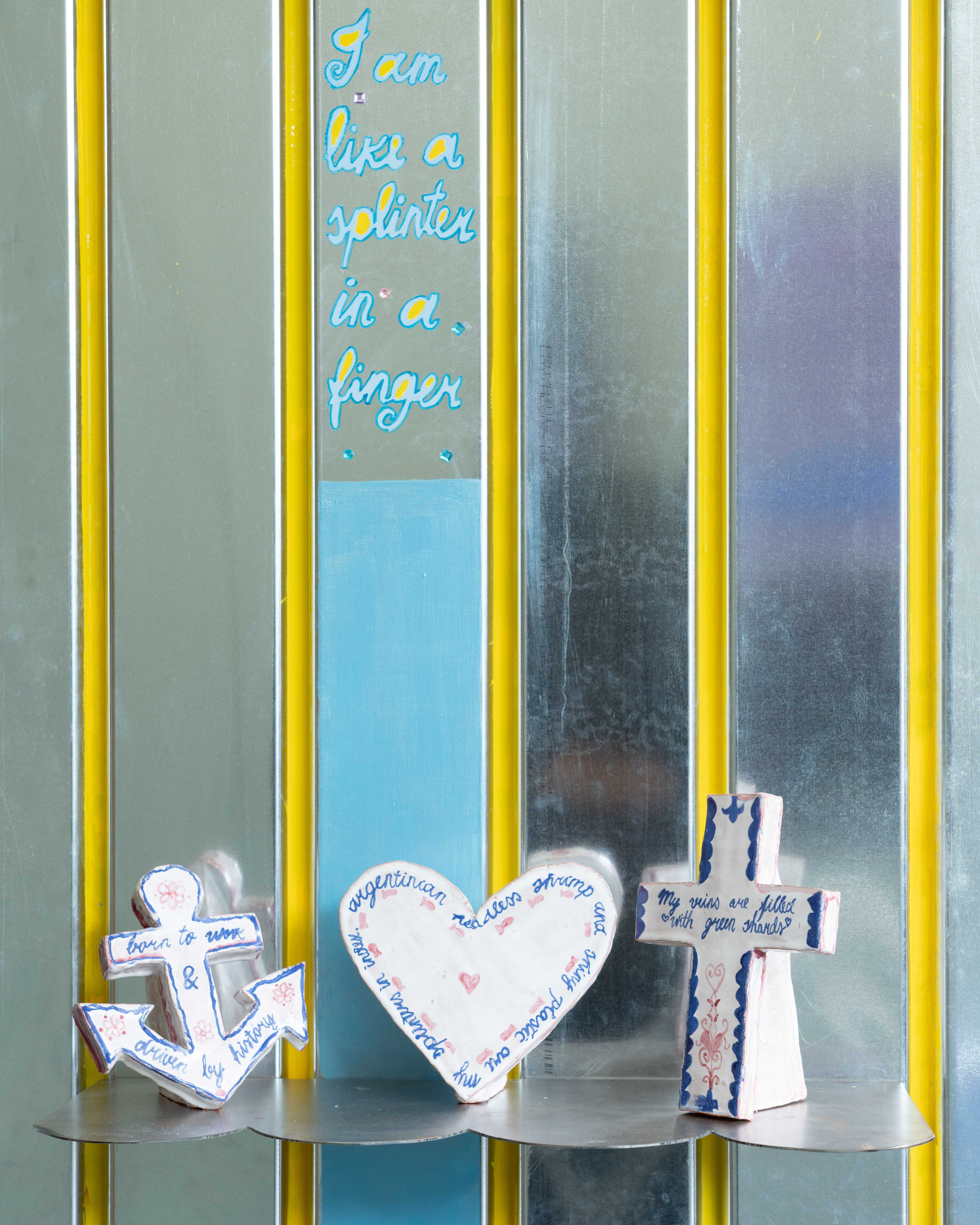
What do you have in your pocket, Heinekenplein?
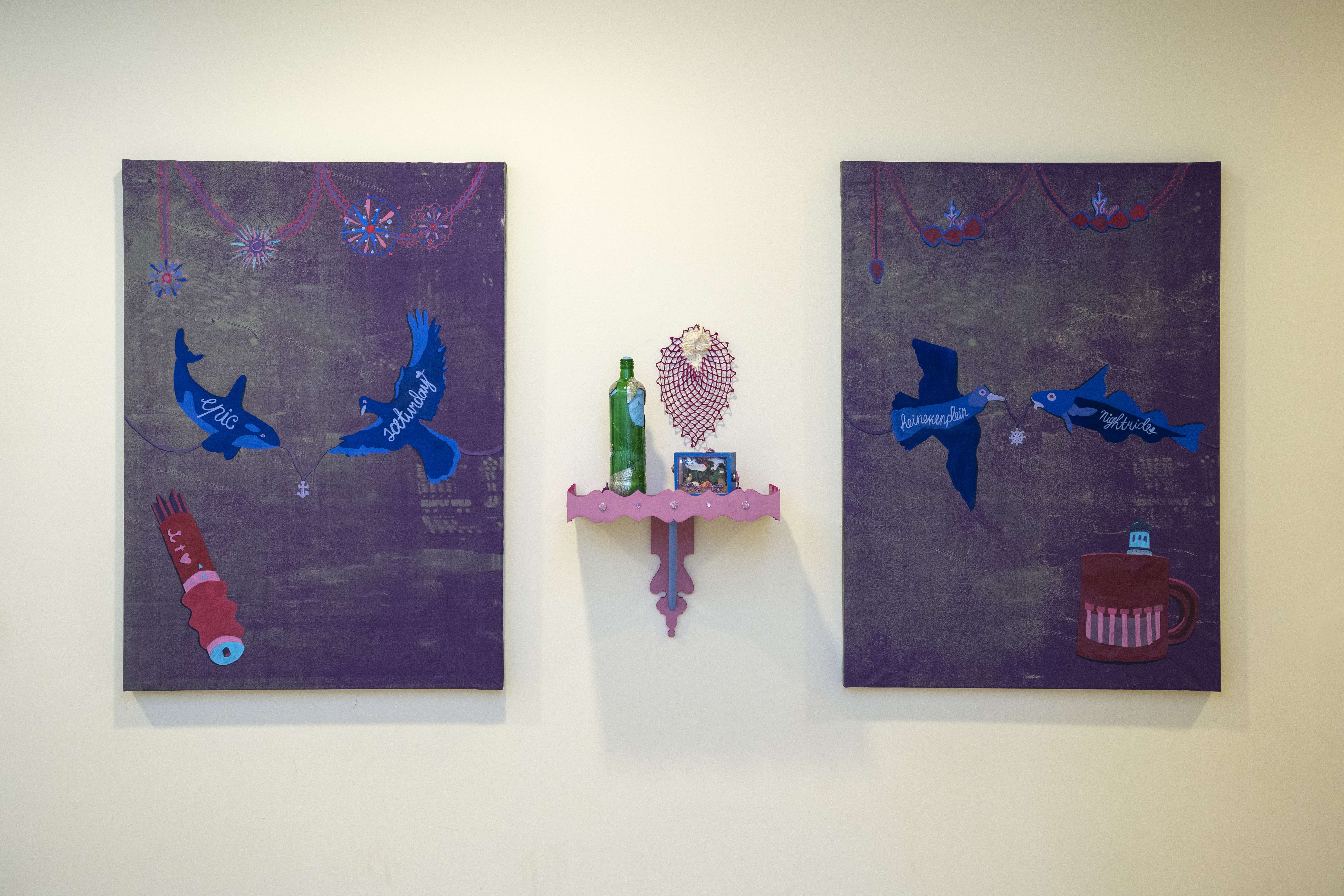
Come with me to Heinekenplein! Into the dark, which could be a camera obscura without any effort, with slot machines and the aroma of kebabs.
Heinekenplein is a room in a bar located on Urk, an extraordinary fishing village in the Netherlands that used to be an island. The bars on Urk have a dream-like frequency. It all starts from the moment you enter, due to the fact that it’s impossible to see the outer world. While you’re here, this is the only reality, a reality filled with numerous material evidences that often carry the meaning of Urk’s past. Anyway, it will be hard to see them due to the crazy performance of the vivid lights.
All of these objects form something bigger together: a place where Urkers feel comfortable getting intoxicated and embracing the nonsense that alcohol brings to their minds and bodies. What does it have that a couch in the living room or a gathering in the forest doesn’t? What is the superpower of Heinekenplein?