Piedruja-Druja
In collaboration with Darya Akhrameika and activist/anthropologist Anna Griķe.
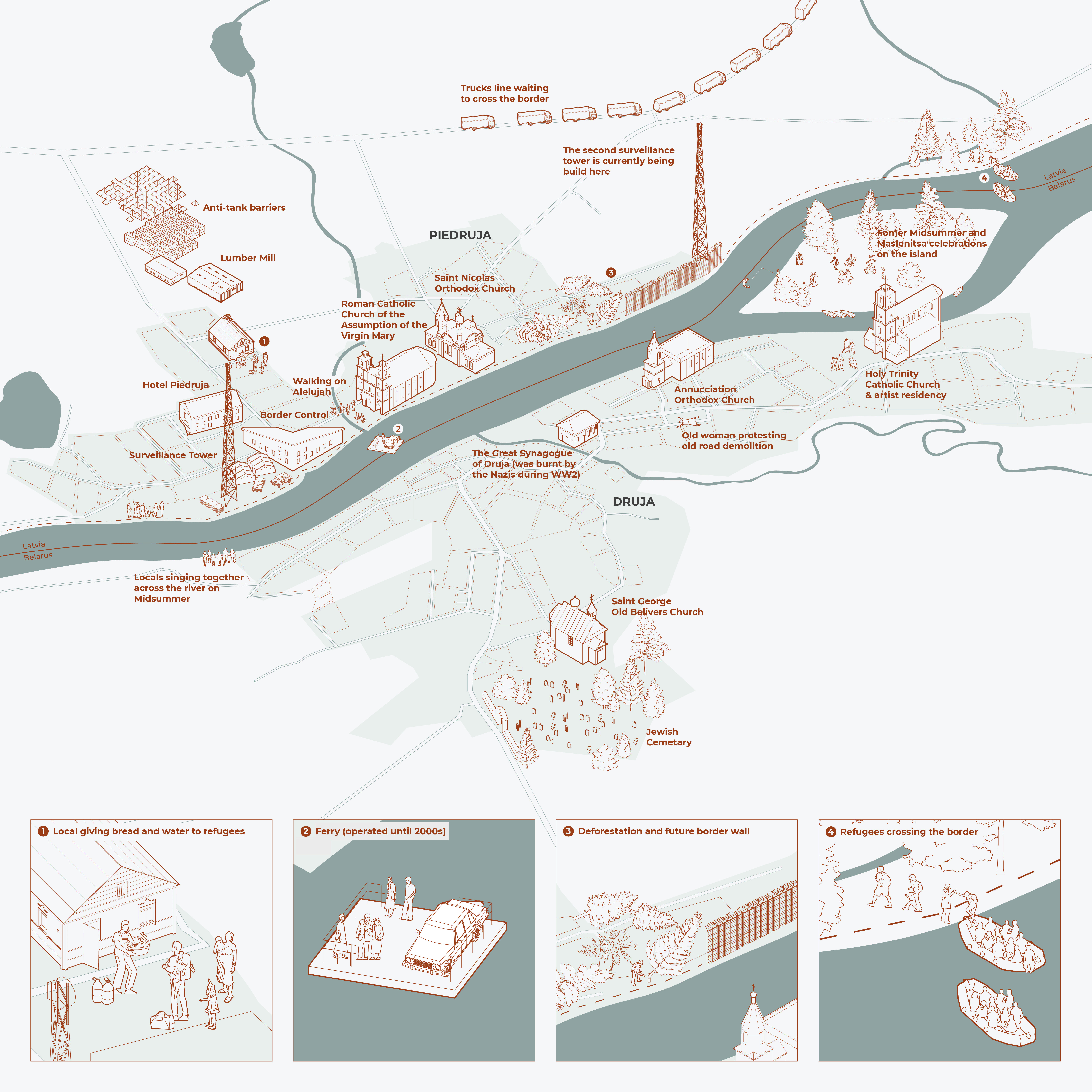
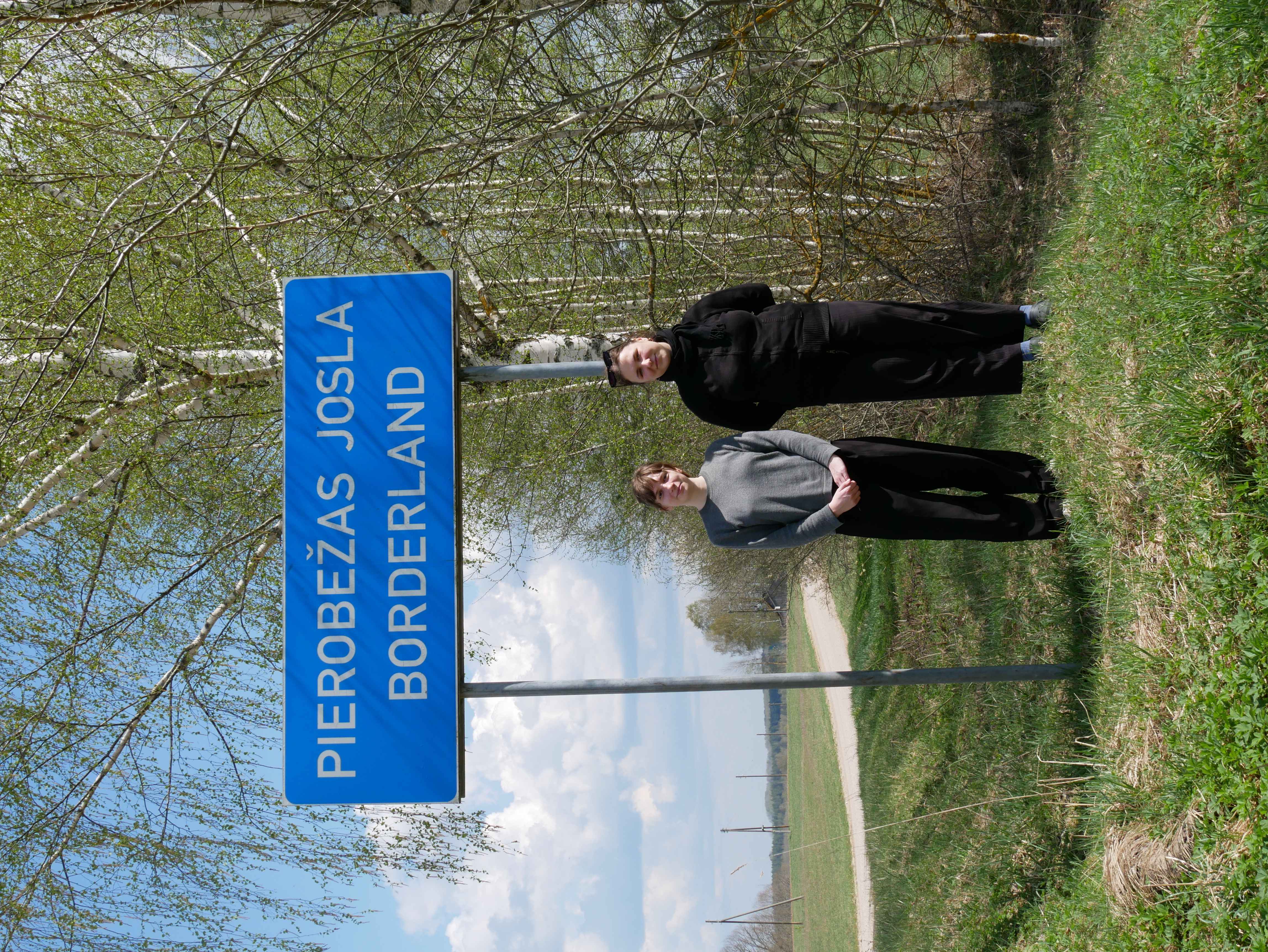
Piedruja-Druja is a research-based project focused on a village divided by the Latvia-Belarus border. The Daugava/Dzvina river splits the village, which also marks both a national and European Union boundary.
Borders aren’t simply places where something ends, and something else starts - they’re gradients, where cultures, identities, and languages blend together. Yet, the borderland is a space that is often exploited by those in power, by fragmenting locals’ lives and violating refugees’ basic human rights.
Piedruja-Druja emerged in the 16th century on the Druja side and later extended across the river. And since then, it has been continuously separated and united under various political powers. This history has cultivated a unique borderland identity, where the sense of self isn’t tied to a single nation but is shaped by multiple influences and the several languages spoken daily. Now, the community is split in two: everyday activities like attending school or Sunday church service across the river have become impossible.
The militarisation of the border strip is a new and dark chapter in the Baltics that risks erasing everything that isn’t part of the military. Does local cultural history completely lose its importance in times of crisis? While vital for defence against aggressive neighbours, it raises questions of what price the countries are willing to pay to have anti-tank barriers scattered along their borders. Moreover, what should be done with communities like Piedruja-Druja when constructing structures that divide?
The project, initiated by me and architectural designer Darya Akhrameika, has been going on since 2024, where we focus on four key aspects of the eastern EU borderland: the humanitarian crisis, militarisation, the divided community and blended identity of the borderland.
We collaborate with NGO I Want to Help Refugees (LV) and involve dialogue with people whose lives are shaped by the dynamics of the region, and document the ongoing militarisation. Supported by Stimuleringsfonds, the project is unfolding into essays and a spatia
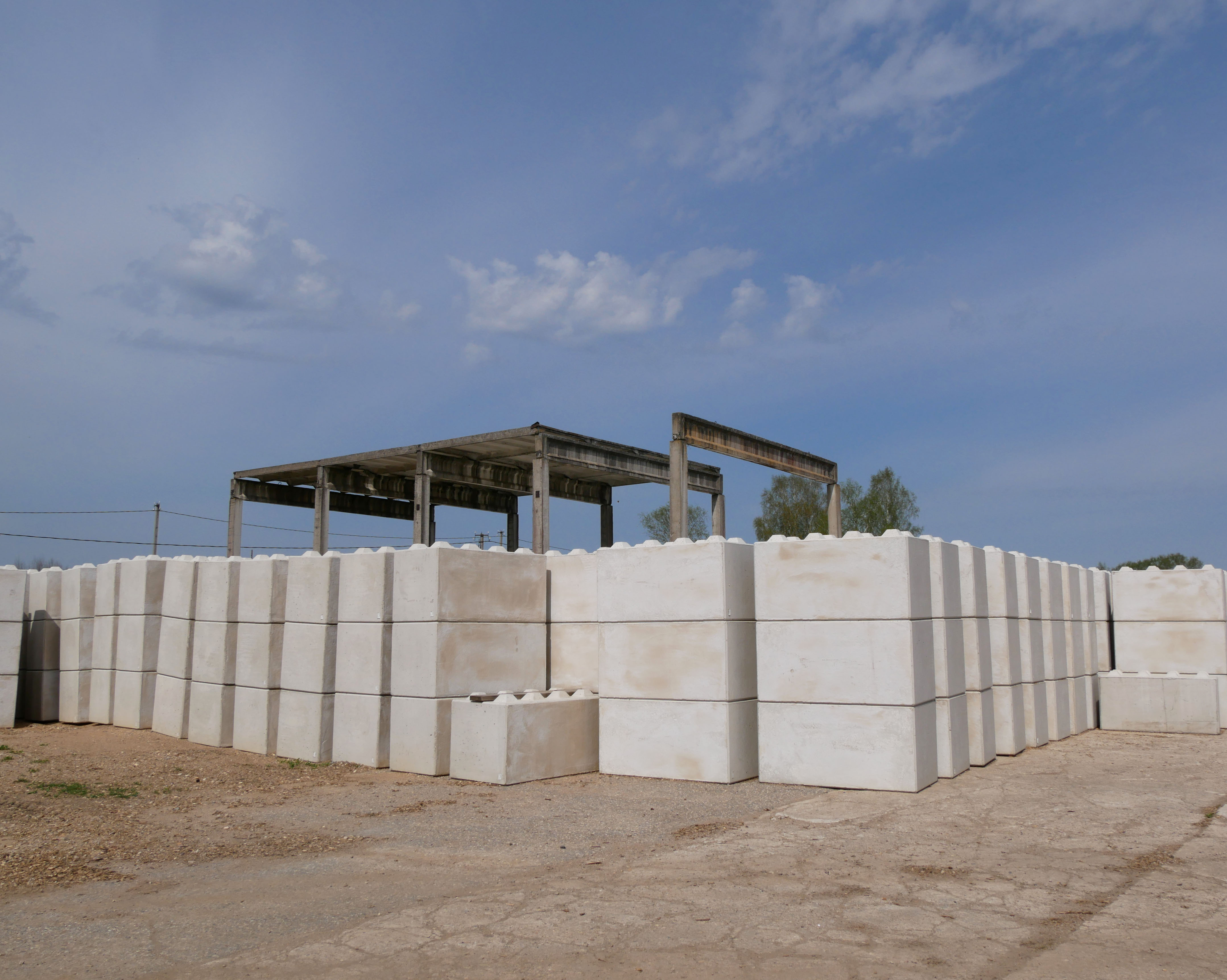
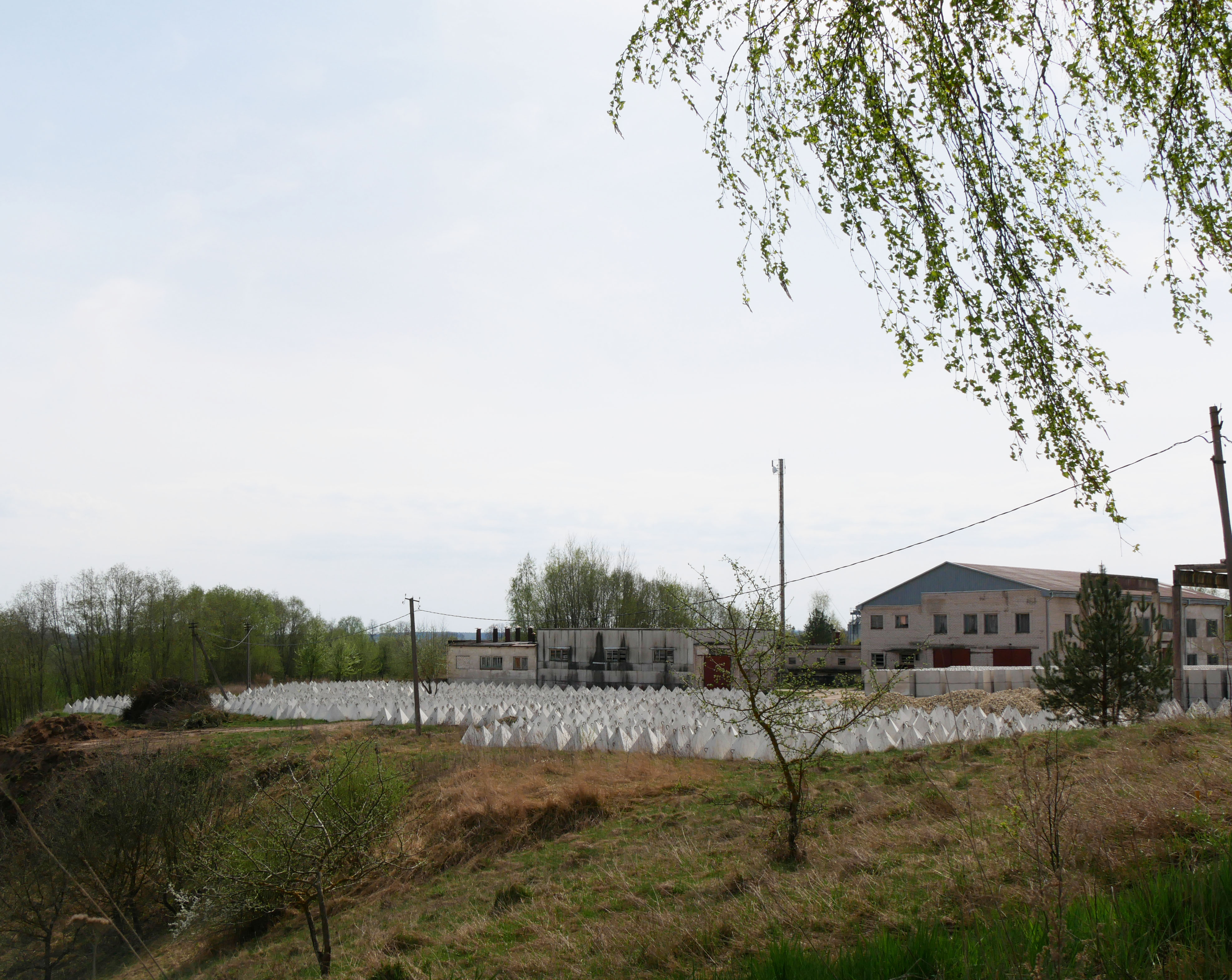
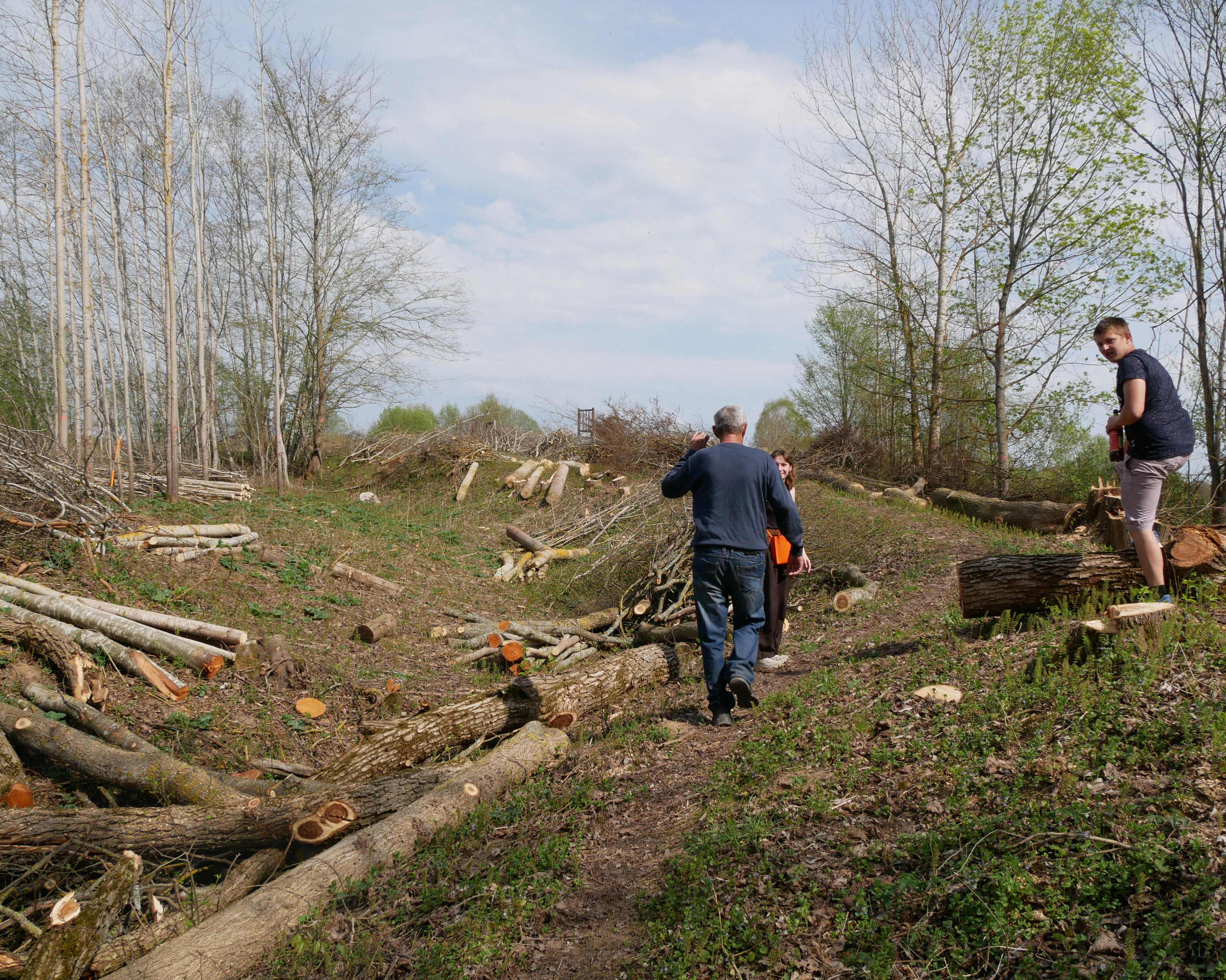
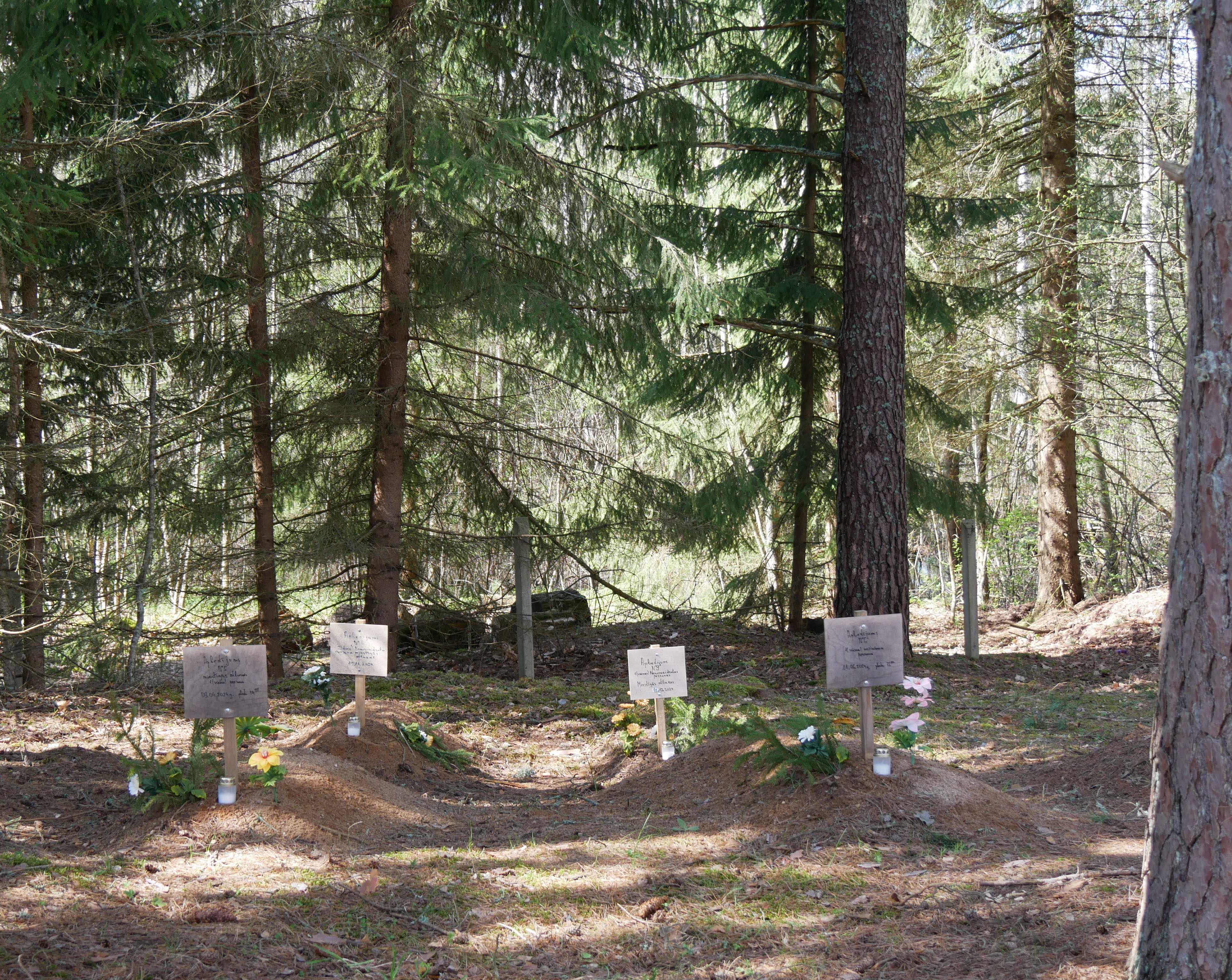
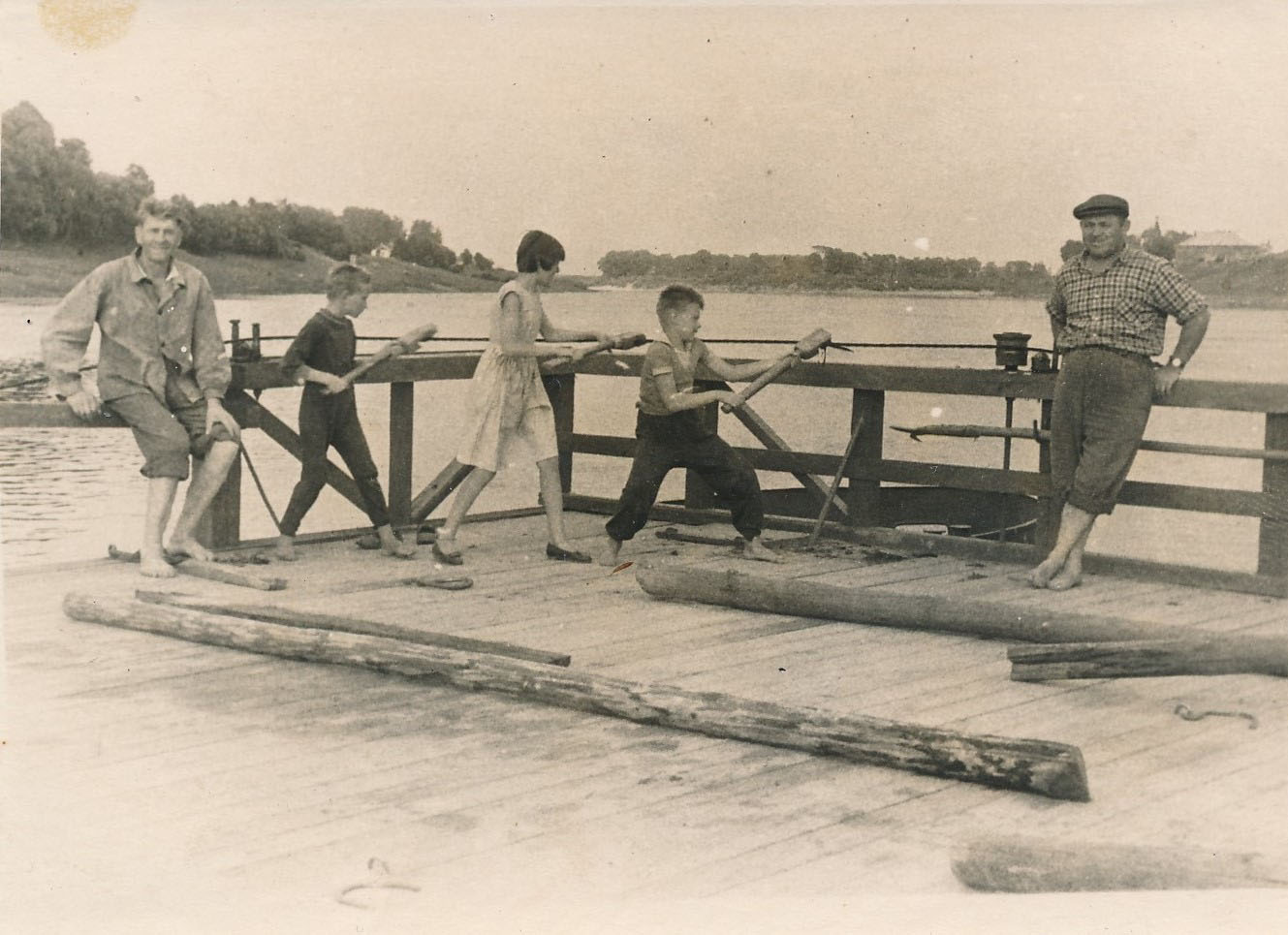
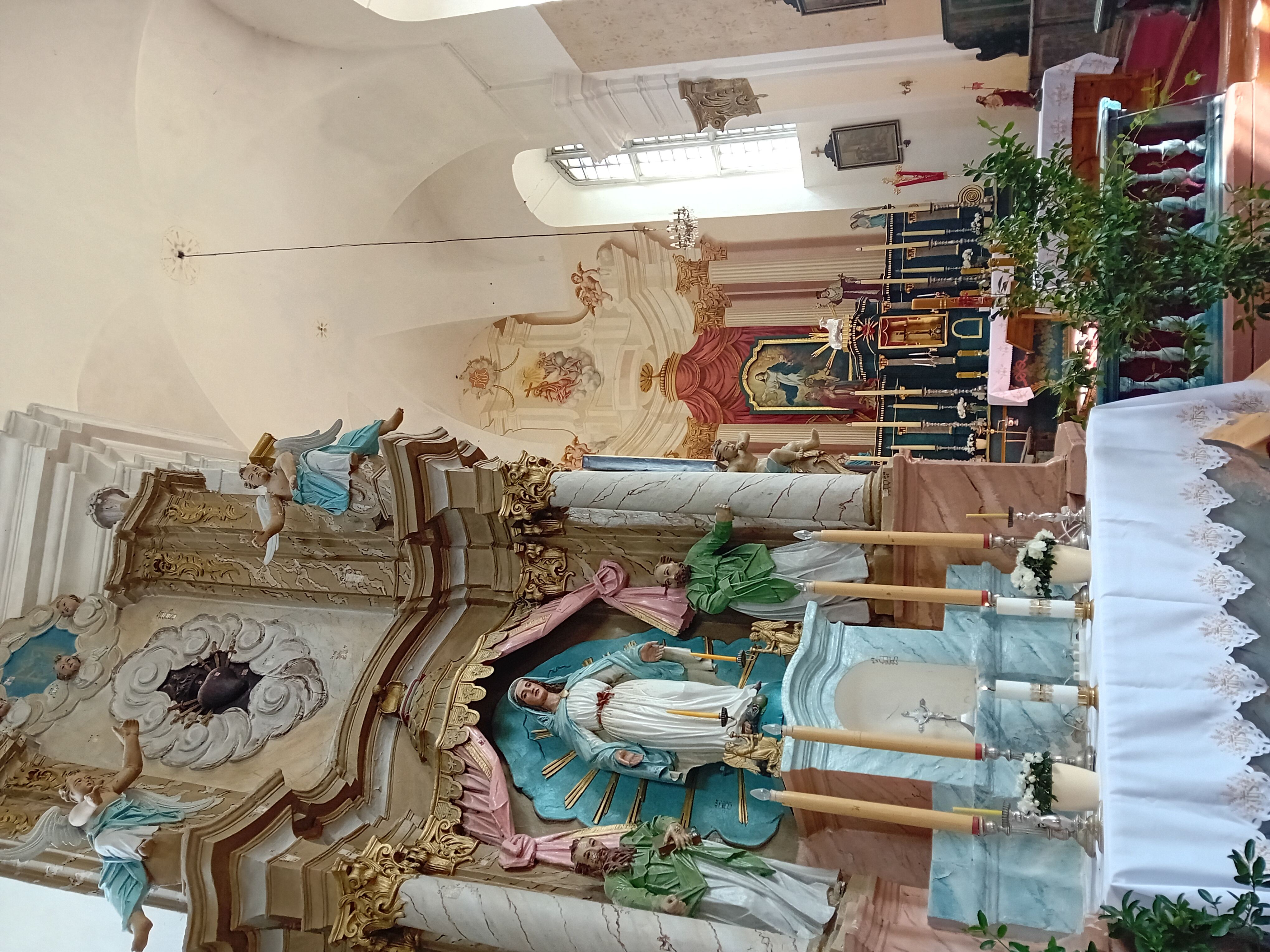
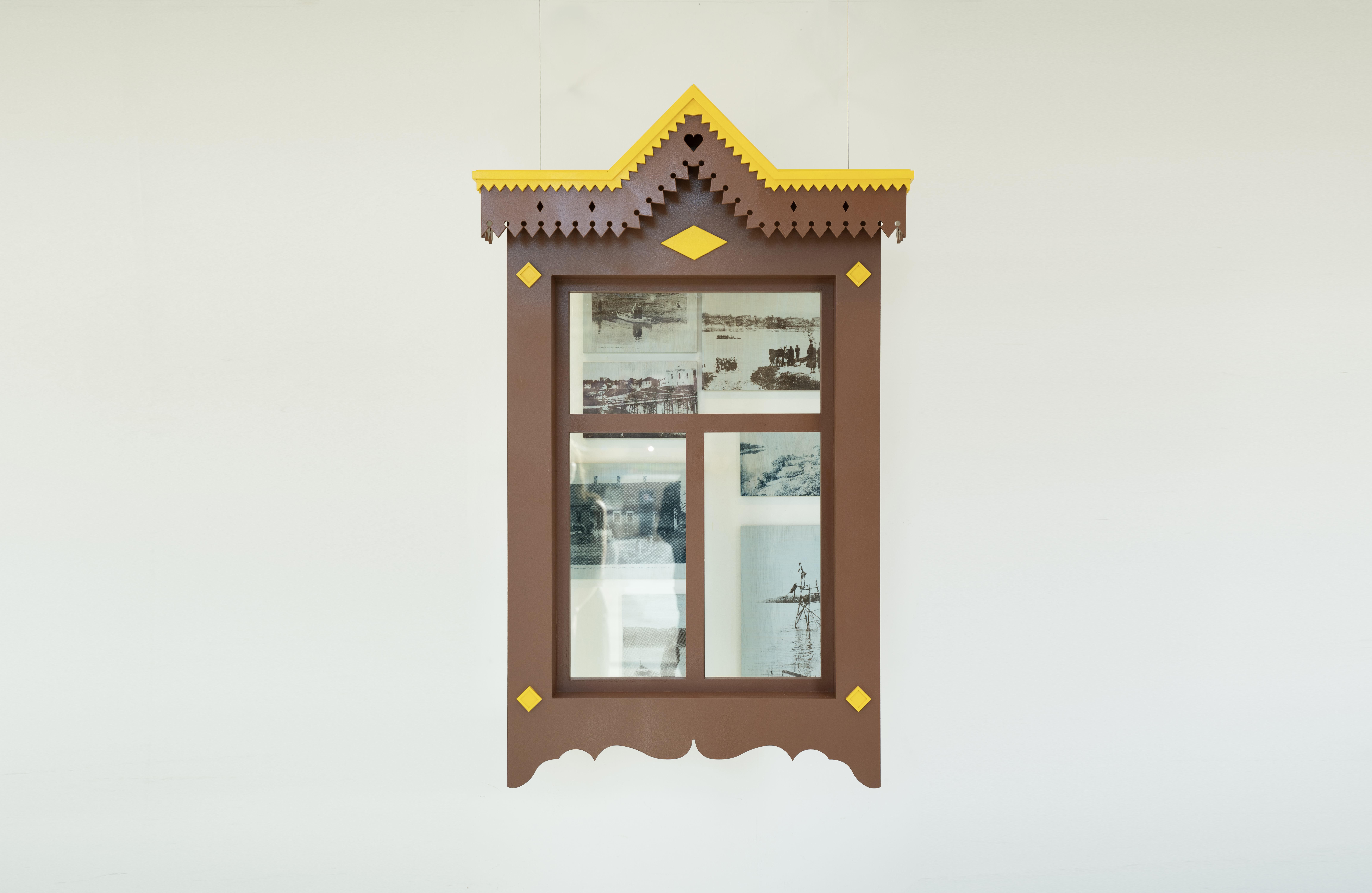
The window of Piedruja-Druja
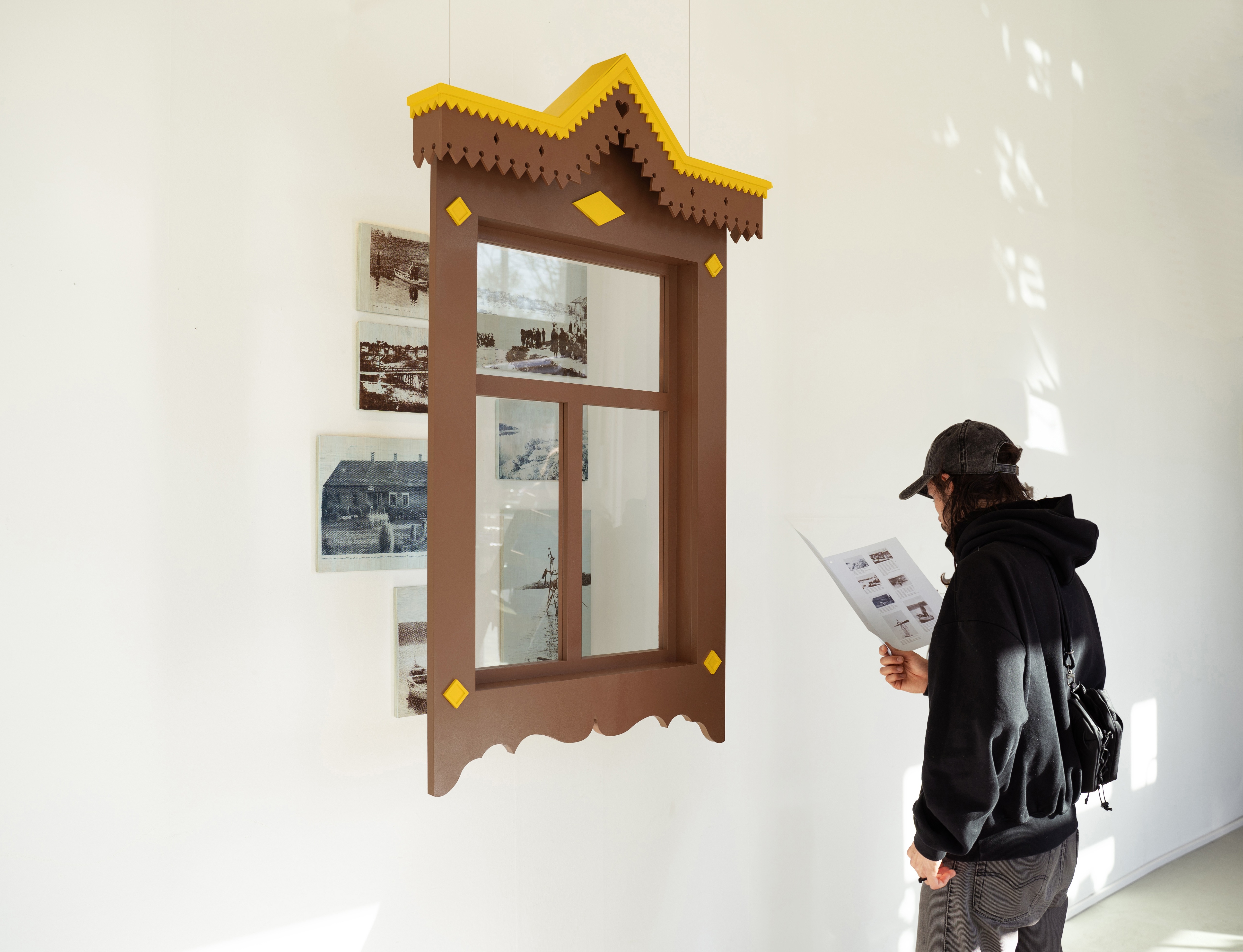
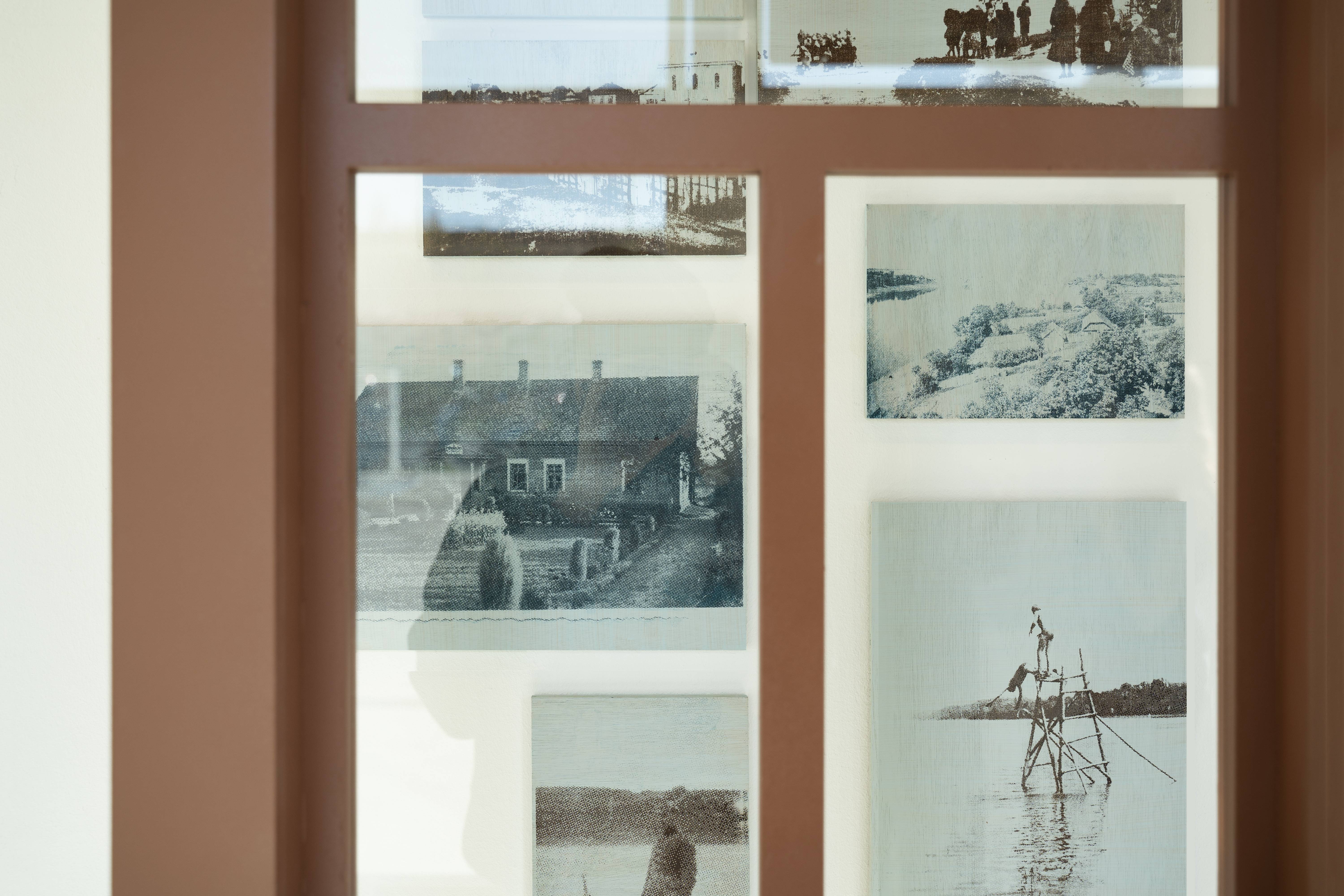
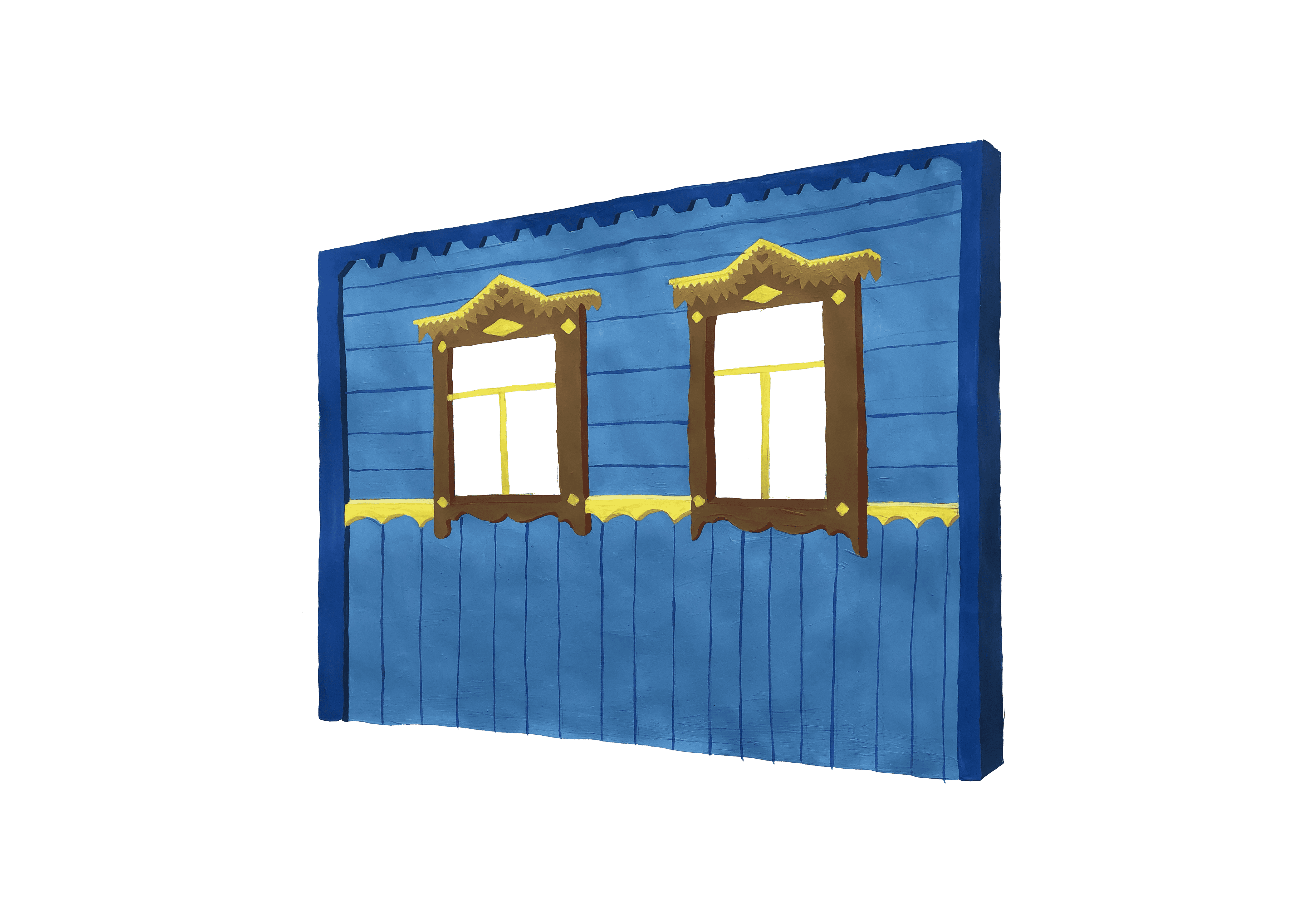
Have a look through the curved wooden window–an element of the region’s vernacular architecture, rooted in Old Believer craftsmanship. These windows were decorated with carvings of animals, plants, and symbols, believed to protect homes from evil spirits.
This window serves as a portal to the village’s past, revealing archival photos of absent experiences and structures. What can be learned from the memories in the context of today’s division? Are they just happy memories, or a glimpse of a potential future?
Mixed media Installation
Wood, glass, paint, silkscreen
130 cm x 76 cm